
Toronto Duct Cleaning Pros
A suite fan, shared exhaust and house duct system are different projects. Describe the equipment and what you can authorize before requesting work. Our enquiry team reviews Toronto inquiries, with the provider, coverage and visit confirmed separately.
Duct Cleaning Services in Toronto
Choose the work that fits best, then add any other equipment or rooms in your request.
Air Duct Cleaning
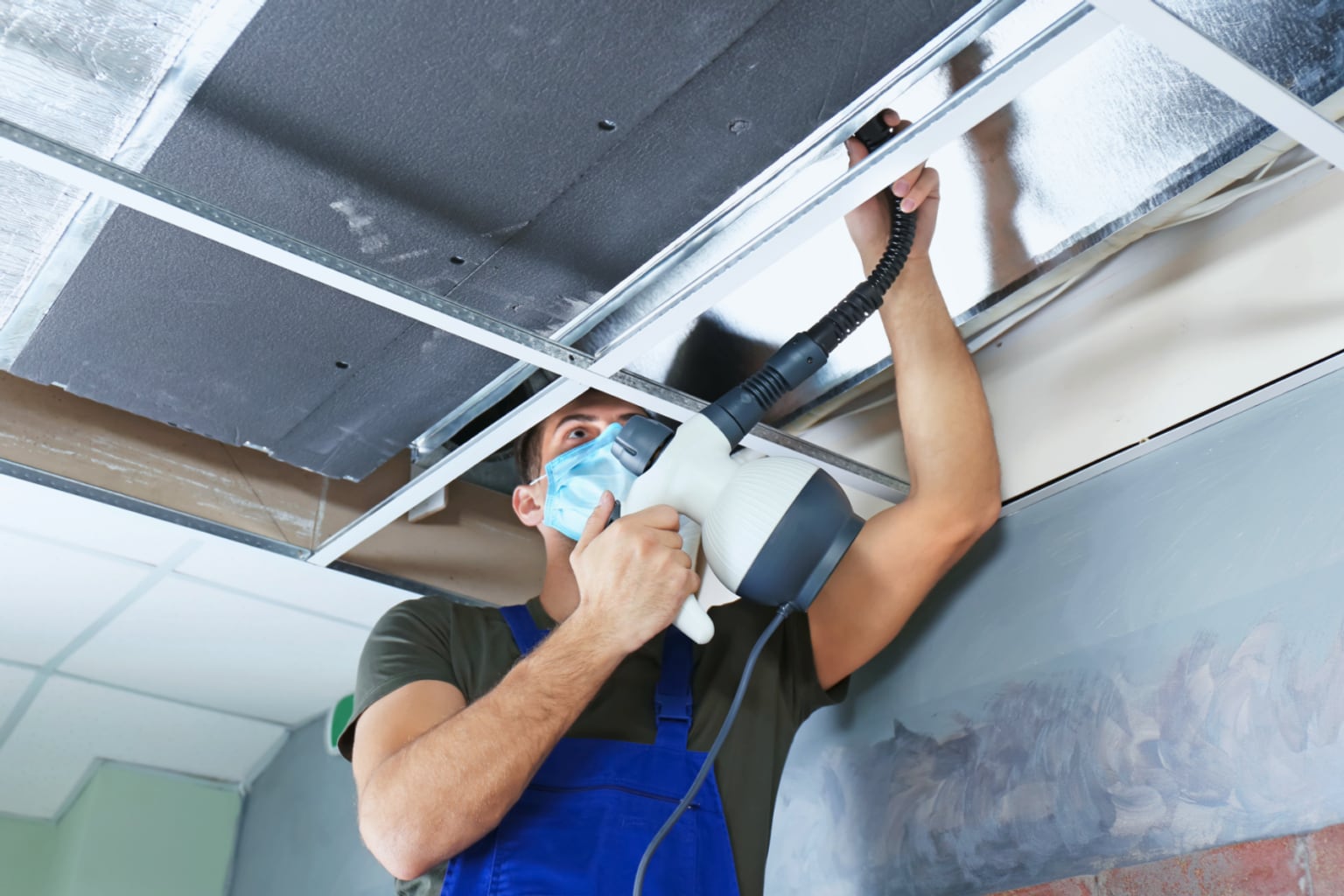
Identify whether the supply and return openings serve your own furnace or a common building system. Note who can authorize access to the connected equipment.
View scopeDryer Vent Cleaning
Describe the dryer location and whether its exhaust route is individual or shared, if that can be confirmed from building records.
View scopeFurnace & AC Cleaning
Establish whether the furnace or cooling equipment belongs to your property or is maintained by building management, and provide its label where available.
View scopeHRV & Ventilation Cleaning
Identify the suite HRV, ventilation fan or shared exhaust you want assessed instead of describing every grille as the same system.
View scopeDuct Treatment Assessment
Describe the odour location and whether it changes with neighbouring activity, equipment operation or moisture observations. Do not assume a duct treatment is the answer.
View scopeDuct Sealing & Repair
For a suspected leak inside a suite ceiling or wall, identify the accessible duct section and any common connection indicated in building records.
View scopeCommercial Duct Cleaning
For a Toronto commercial unit, distinguish tenant equipment from a landlord-managed air handler or exhaust arrangement and identify who authorizes each part.
View scopeWho controls the shared dryer exhaust route?
Toronto Duct Cleaning Pros collects dryer vent cleaning inquiries for review. Describe the dryer location and whether its exhaust route is individual or shared, if that can be confirmed from building records.
Explore this serviceSorting unit ventilation from shared building ductwork
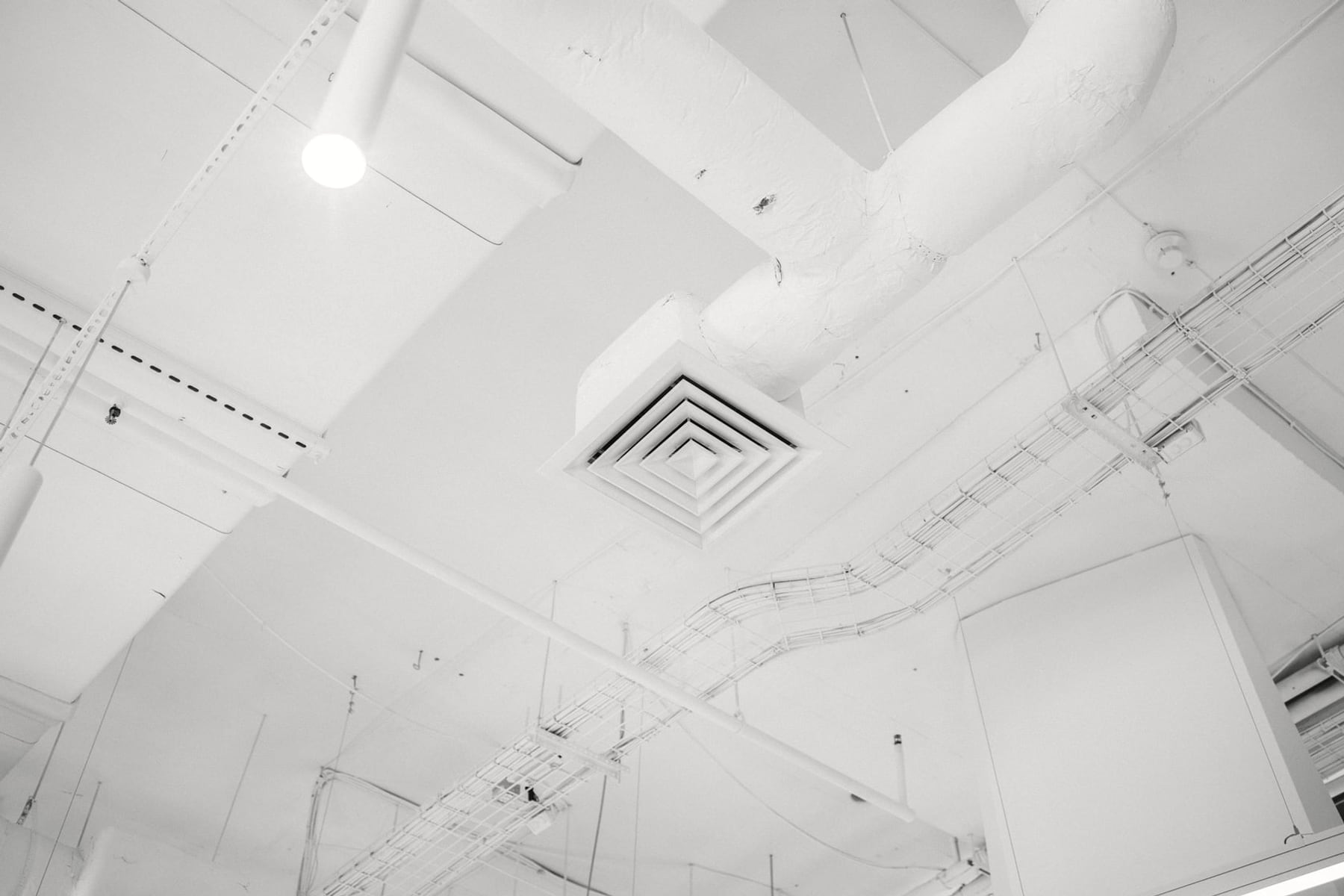
Begin with system ownership if the property shares mechanical services. For a Toronto request, identify the vents or equipment inside your unit and any common ductwork you believe is involved. A register photograph cannot establish responsibility for the connected system. Include management instructions and explain whether the request concerns dust, a restricted exhaust path or a specific equipment maintenance task.
-
Return grilles
Where room air is drawn back toward the furnace.
-
Return ducts
The runs leading from each grille to the furnace.
-
Furnace blower and coil
The blower, evaporator coil and cabinet.
-
Supply trunk
The main duct leaving the furnace.
-
Branch runs
The individual runs that split off toward each room.
-
Supply registers
Where air comes back into each room.
System ownership
Distinguish a house system, suite equipment and building-managed ductwork using the records you have.
Building access
Mention concierge, elevator or common-area access arrangements where applicable.
The observed issue
Describe visible debris, drying performance or airflow observations separately from assumptions about their cause.
From Job Details to a Confirmed Scope
Three steps take a request from the form to a confirmed visit.
Get A Free QuoteDescribe the property
Send the location, symptoms, equipment and access details. State whether the work is a repair, replacement or planned project.
Review the inquiry
Our enquiry team reviews the request. A provider must be identified and must confirm that the work and location fit their service scope.
Confirm before booking
Agree the provider identity, qualifications, written scope, pricing and visit window directly. Sending a form does not confirm an appointment.
Questions About Your Toronto Request
How do I match tasks to the appliance for my Toronto project?
An individual furnace or cooling coil needs its model and observed condition established. Ask whether the job concerns a filter compartment, blower, coil, or condensate components and how cleaning follows the applicable equipment instructions. Shared ventilation equipment can have another maintenance arrangement; calling it a furnace does not establish that the unit occupant can authorize internal work.
How should I coordinate complete access in Toronto?
A provider should explain what can be reached from the appliance and where roof, exterior, or common-area access is needed. Specify cleaning, reconnection, and verification of the accepted route separately from any repair. Keep gas-appliance connection work outside an ordinary cleaning task unless an appropriately qualified person has explicitly included it in the scope.
For duct sealing repair in Toronto, how should I define openings and checks?
The repair proposal should describe access through finishes, retained materials, an appropriate sealing or replacement method, and who restores ceilings or walls. Ask how the repaired portion will be checked and whether any airflow limitation remains. Work near shared mechanical components needs responsible approval, so the accepted scope should not silently expand into other units or common infrastructure.
For commercial duct cleaning in Toronto, how should I agree operational boundaries?
Coordinate work windows, debris containment, equipment isolation, and access with the authorized property and business contacts. Request an itemized component list and records of cleaned, excluded, or inaccessible sections. Clarify which repairs, filters, or specialist hygiene work remain separate, so cleaning one tenant's system is not presented as completion of the wider building's maintenance.
For air duct cleaning in Toronto, how should I map the authorized air path?
Ask the property representative which supply and return ducts serve the unit and whether they connect to a common air handler. Inspection evidence should identify the specific deposits and components, not infer hidden contamination from dust on one grille. A quotation can then distinguish privately maintained portions from common-system work that requires another authorized party.
Describe Your Toronto Duct Cleaning Job
Describe the duct cleaning work at your Toronto property, including system ownership. Our enquiry team reviews your inquiry. Agree provider identity, coverage, written scope, pricing and scheduling before booking.
Requests for Toronto Properties
This site collects inquiries for Toronto. Include the property postal code and access details. Provider travel, coverage and appointment availability require direct confirmation.